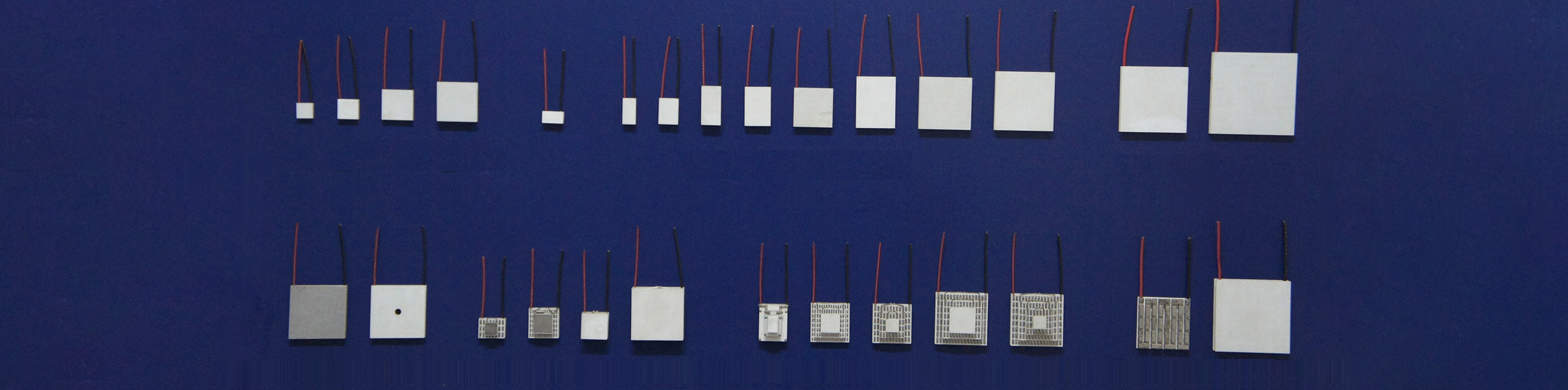
Mga Thermoelectric Cooling Device sa Frontier Technological Applications
Ang mga thermoelectric cooling device, thermoelectric cooling modules—kasagarang gitawag nga thermoelectric coolers (TECs)—mga solid-state thermal management solutions nga mo-operate nga walay naglihok nga mga parte, nga makapahimo sa hilom, dali motubag, ug tukma nga makontrol nga pagpabugnaw. Ang ilang kinaiyanhong mga bentaha—lakip ang compact form factor, scalability, kasaligan ubos sa grabeng mga kondisyon, ug localized temperature regulation—nagbutang kanila isip kritikal nga mga enabler sa daghang mga frontier domain, lakip ang artificial intelligence infrastructure, high-speed optical communications, cryogenic science, microelectronics thermal management, biomedical systems, ug aerospace/deep-sea exploration.
1. Imprastraktura sa AI Computing ug High-Speed Optical Communications
Ang nagkataas nga power density sa mga AI accelerator ug ang pag-deploy sa 800G/1.6T optical transceivers nagpalala sa mga hagit sa thermal sa sunod nga henerasyon nga mga sistema sa computing ug komunikasyon. Gitubag sa mga TEC kini nga "heat wall" pinaagi sa paghatud sa spatially targeted, high-precision thermal regulation.
• Pagpalig-on sa optical module: Ang mga laser diode sa high-speed optical modules nagpakita og kusog nga pagsalig sa wavelength sa temperatura. Pinaagi sa direktang integrasyon sa optical chip, thermoelectric modules, ug peltier devices, ang mga TEC nagmintinar sa temperatura sa junction sulod sa ±0.5 °C, sa ingon nagpamenos sa wavelength drift ug nagpamenos sa bit error rates (BER) sa pagpadala sa datos.
• Pagdumala sa kainit sa AI server: Sa mga high-density nga AI compute racks, peltier elements, Thermoelectric modules, ug TECs, nagkadaghan ang gihimo para sa taas nga heat flux density (>100 W/cm²) ug ubos nga specific power consumption, nga naghatag og dynamic, chip-level temperature stabilization para sa mga GPU, TPU, ug interconnects.
2. Abansado nga Siyentipikong Instrumentasyon ug Lawom nga Pag-ila sa Cryogenic
Ang mga nag-uswag nga thermoelectric nga mga materyales ug arkitektura nagpalapad sa mga limitasyon sa operasyon ngadto sa ultra-low-temperature nga mga rehimen samtang nagpalambo sa detection fidelity.
• Deep-cryogenic cooling: Ang mga tigdukiduki sa Tongji University nakaugmad og Thomson cooler nga gibase sa YbInCu₄ phase-transition material. Nag-operate sa 38 K regime (~−235 °C), nakab-ot niini ang usa ka stable nga cooling ΔT nga milapas sa 5 K—nga nagrepresentar sa usa ka dakong kalampusan sa solid-state cryocooling para sa quantum ug low-temperature physics applications.
• High-sensitivity imaging: Ang miniaturized multi-stage TECs, miniaturized multi-stage peltier modules (TEC modules) makapahimo sa detector nga mobugnaw ngadto sa −60 °C–−80 °C sa infrared focal plane arrays, X-ray spectrometers, ug astronomical sensors. Kini nga pagpugong sa thermal noise makapauswag pag-ayo sa signal-to-noise ratio (SNR), nga makapasayon sa high-resolution imaging ubos sa ultra-low-light o vacuum nga mga kondisyon.
3. Pagdumala sa Thermal sa Microscale para sa Abansadong Elektroniko
Samtang ang mga semiconductor node mouswag ubos sa 3 nm, ang mga localized hotspots mohulga sa performance, kasaligan, ug yield. Ang mga micro-thermoelectric cooler (micro-TEC), micro thermoelectric modules, ug mico peltier elements nagtanyag og on-die o near-die thermal regulation nga adunay sub-millisecond response times.
• Bag-ong integrasyon sa materyal: Usa ka grupo sa panukiduki sa Harbin Institute of Technology (Shenzhen) naghimo og magnesium–bismuth–based micro-TEC, micro peltier module (micro peltier device) nga nagpakita og superior room-temperature cooling power density (>500 W/cm³) ug paspas nga transient response. Malampuson kining gigamit alang sa active thermal regulation sa microcontroller unit (MCU) cores.
• Pagpabugnaw sa lebel sa chip ug component: Ang mga Micro-TEC, micro-peltier elements, micro thermoelectric modules, ug Micro TEC modules direktang gi-integrate sa mga high-performance CPU, LiDAR emitters, ug RF front-end modules. Ang ilang footprint-compatible nga disenyo nagtugot sa pagtangtang sa hotspot sa micron scale, nga nagsiguro sa padayon nga computational integrity ubos sa padayon nga thermal load.
4. Mga Biomedical Device ug Cold-Chain Monitoring
Ang mga TEC ug TEC module (thermoelectric cooling modules) nagsuporta sa mga mission-critical biomedical functions pinaagi sa passive energy harvesting ug active thermal control—parehong importante para sa implantable ug logistics-sensitive nga mga aplikasyon.
• Gahum nga ma-implant ug makapabugnaw: Gipakita sa mga tigdukiduki sa MIT ang usa ka nipis kaayo, flexible nga thermoelectric film nga gi-implant sa subcutaneous sa mga modelo sa baboy. Gigamit ang ~2.5 K nga gradient sa temperatura tali sa core body tissue ug epidermis, ang aparato padayon nga nagpadagan sa cardiac pacemaker sulod sa siyam ka bulan—nga nag-validate sa dugay nga panahon nga bio-integrated energy autonomy.
• Autonomous cold-chain monitoring: Ang mga temperature-sensitive tag nga adunay mga thermoelectric generator (TEG) gigamit sa logistics sa bakuna sa mRNA sa Pfizer. Kini nga mga self-powered sensor nagkolekta sa thermal energy gikan sa internal–external temperature differential sa cargo hold aron mapadali ang wireless telemetry—nga nagwagtang sa dependency sa baterya ug nagtugot sa padayon, dili madaot nga pag-log sa temperatura sa tibuok transit.
5. Mga Sistema sa Mapintas nga Kalikopan: Aerospace ug Eksplorasyon sa Lawom nga Dagat
Ang teknolohiyang thermoelectric naghatag og lig-on, walay maintenance nga thermal ug power management sa mga palibot diin ang conventional systems napakyas—ilabi na ubos sa vacuum, radiation exposure, o grabeng thermal gradients.
• Mga plataporma sa lawom nga kadagatan ug orbital: Sa Mariana Trench Observation Network nga gipangulohan sa Japan, ang mga modular thermoelectric generator (TEG) nag-convert sa >340 K gradient tali sa hydrothermal vent fluid (~350 °C) ug ambient seawater (~2 °C) ngadto sa kilowatt-level nga padayon nga gahum para sa mga sistema sa video sa HD sa lawom nga dagat. Sa samang higayon, ang mga istruktura sa thermoelectric superlattice gi-integrate sa experimental module sa International Space Station para sa waste-heat recovery ug precision thermal control.
• Depensa ug infrared sensing nga nakabase sa kawanangan: Ang mga vacuum-compatible, non-evaporative micro multi-stage TECs, micro multi-stage peltier modules, micro multi stage thermoelectric cooling modules, ug micro thermoelectric coolers, kay kaylap nga gigamit sa mga satellite-borne ug airborne infrared detector. Ang ilang abilidad sa pagkab-ot sa temperatura nga <100 K sulod sa ultra-compact footprints nagsuporta sa high-sensitivity, long-wave infrared (LWIR) imaging para sa estratehikong pagpaniid ug pag-obserba sa Yuta.
Oras sa pag-post: Hunyo-15-2026


