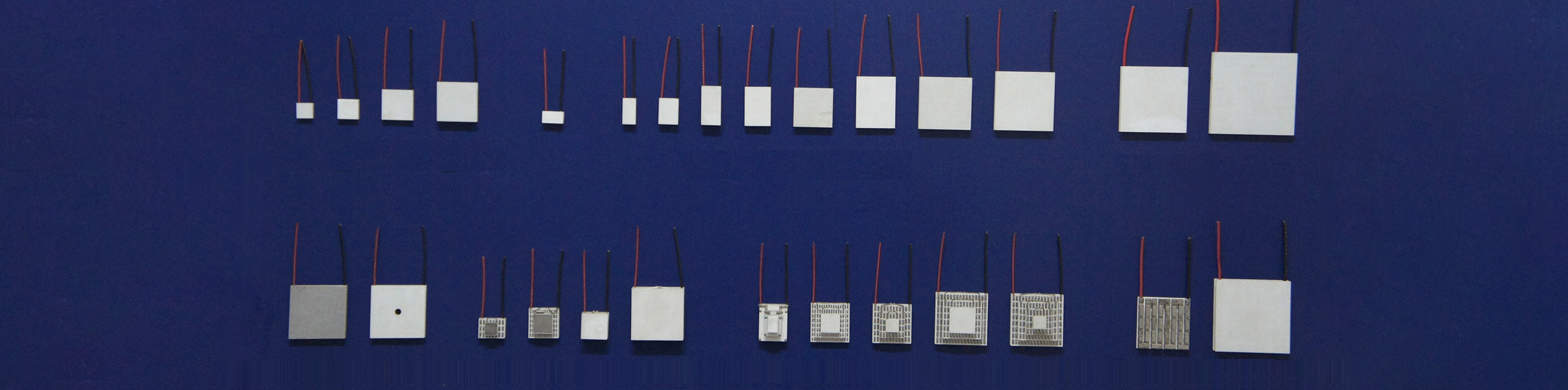
Ang paggamit sa bag-ong mga thermoelectric nga materyales sa mga cutting-edge nga natad kusog nga nag-uswag, nga gimaneho sa mga transformative breakthroughs sa materials science. Talalupangdon nga ang synergistic integration sa flexibility ug miniaturization nakapagawas sa mga thermoelectric cooling technologies gikan sa mga limitasyon sa conventional rigid architectures, sa ingon nagbukas sa bag-ong mga utlanan sa aplikasyon sa daghang high-tech nga mga sektor:
Flexible nga Elektronikong Aplikasyon sa Panit ug Panglawas
Ang pagtungha sa inorganic flexible thermoelectric nga mga materyales—sama sa bismuth telluride (Bi₂Te₃)-based composites ug silver chalcogenides—nakabuntog sa dugay nang panagbingkil tali sa taas nga thermoelectric performance ug mechanical deformability.
Microscale Hot-Spot Mitigation: Ang ultra-thin Bi₂Te₃-based thermoelectric coolers, thermoelectric cooling modules (Peltier modules) makab-ot ang pagkunhod sa temperatura nga molapas sa 10 °C ubos sa gamay nga input current (pananglitan, 84 mA), nga adunay talagsaon nga paspas nga thermal response time nga gibana-bana nga 25 μs. Kini makapahimo sa tukma, lokal nga thermal management para sa high-power-density integrated circuits, sa ingon nagpalambo sa chip reliability ug operational stability.
Mga Masul-ob ug Ma-implant nga Medikal nga mga Device: Tungod sa ilang conformal adhesion sa biological tissues—sama sa electronic skin—ang flexible thermoelectric devices, peltier devices, (thermoelectric modules) adunay duha ka function: (i) pag-ani sa thermal energy gikan sa body–ambient gradients aron pagpaandar sa ultra-low-power biomedical sensors (pananglitan, continuous heart rate monitors); ug (ii) pagpahimo sa high-precision, spatially resolved thermal sensing para sa sayo nga pag-detect sa localized inflammation, pagtimbang-timbang sa peripheral blood perfusion anomalies, ug active thermal regulation sa next-generation implantable devices—lakip ang neural interfaces ug brain–computer interfaces.
Grabe nga mga Palibot ug mga Sistema sa Aerospace
Ang industriyal nga pagkahinog sa ikatulong henerasyon nga wide-bandgap semiconductors—ilabi na ang silicon carbide (SiC) ug gallium nitride (GaN)—padayon nga nagpalapad sa operational envelope sa mga semiconductor device, thermoelectric modules, TEC modules (peltier modules) ngadto sa grabeng mga kondisyon.
Pag-ila sa Taas nga Temperatura ug Pagkontrol sa Init: Ang intrinsic nga taas nga breakdown voltage, talagsaong thermal stability, ug radiation tolerance sa SiC ug GaN nagtugot sa lig-on nga operasyon sa temperature-sensing ug active thermal-control systems sa mga mission-critical nga palibot—lakip ang mga aerospace platform ug high-temperature industrial process monitoring—diin ang estrikto nga katukma, kasaligan, ug kalig-on sa operasyon mao ang labing importante.
Intelihenteng Robotika ug Taktil nga Pagsabot
Ang mga inobasyon sa materyal milapas pa sa thermal management aron suportahan ang holistic nga mga pag-uswag sa flexible electronics. Pananglitan, ang mga tigdukiduki naghimo og active-matrix tactile sensor gamit ang ultrathin, mechanically compliant two-dimensional semiconductors (pananglitan, molybdenum disulfide). Kung gi-integrate sa soft robotic grippers, kini nga sensor makamatikod sa sub-millipascal-level pressure stimuli—katumbas sa hinay nga puwersa sa hangin sa panit sa tawo—sa ingon naghatag sa mga makina og tactile acuity nga sama sa tawo. Ang panagtagbo sa ingon nga high-fidelity tactile perception uban sa adaptive thermal control nagtukod og usa ka pundasyon nga hardware platform alang sa umaabot nga biomimetic, autonomous robotic systems.
Paghubad sa Industriya ug Soberanya sa Teknolohiya sa Lokal
Sa sulod sa nasud, ang hiniusa nga mga paningkamot sa mga institusyon sa panukiduki ug mga hingtungdan sa industriya nagpadali sa transisyon sa mga inobasyon sa materyal nga sukdanan sa laboratoryo ngadto sa mga produkto nga mabuhi sa komersyo. Usa ka representante nga pananglitan mao ang Shanghai Institute of Ceramics, Chinese Academy of Sciences, nga naglisensya sa daghang mga patente sa plastik nga inorganic thermoelectrics—nga nagpadali sa ilang pag-deploy sa optical module thermal stabilization, advanced chip-level heat dissipation, ug self-powered microsensor applications. Kini nga mga kalamboan nagsenyas sa progresibo nga pag-uswag sa China padulong sa teknolohikal nga pagsalig sa kaugalingon sa mga advanced semiconductor materials, nga nagpamenos sa pagsalig sa mga langyaw nga supply chain ug nagpalig-on sa kapasidad sa nasud alang sa estratehikong inobasyon.
Oras sa pag-post: Hunyo-04-2026


