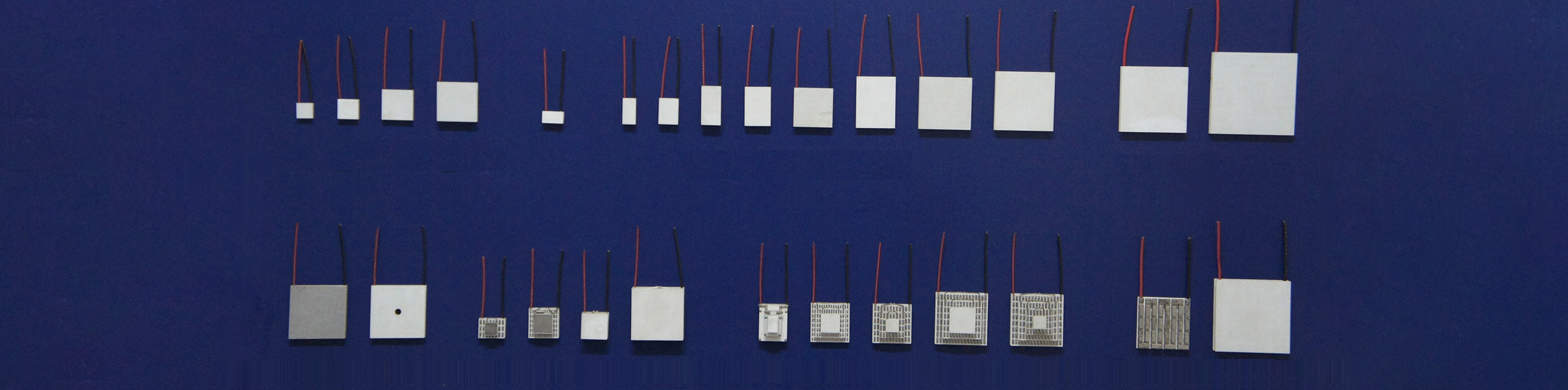
Ang pinakabag-o nga mga nahimo sa pag-uswag sa mga thermoelectric cooling module
I. Dakong Pagtuon sa mga Materyales ug mga Limitasyon sa Pagganap
1. Ang pagpalalom sa konsepto sa “phonon glass – electronic crystal”: •
Pinakabag-ong kalampusan: Gipadali sa mga tigdukiduki ang proseso sa pag-screen alang sa mga potensyal nga materyales nga adunay ubos kaayo nga lattice thermal conductivity ug taas nga Seebeck coefficient pinaagi sa high-throughput computing ug machine learning. Pananglitan, ilang nadiskobrehan ang mga Zintl phase compound (sama sa YbCd2Sb2) nga adunay komplikado nga mga istruktura sa kristal ug mga compound nga porma og hawla, kansang mga kantidad sa ZT milabaw sa tradisyonal nga Bi2Te3 sulod sa piho nga mga sakup sa temperatura.
Estratehiya sa "Entropy engineering": Ang pagpaila sa compositional disorder sa high-entropy alloys o multi-component solid solutions, nga kusganong nagkatag sa mga phonon aron makunhuran pag-ayo ang thermal conductivity nga dili seryosong makompromiso ang mga electrical properties, nahimong usa ka epektibo ug bag-ong pamaagi alang sa pagpalambo sa thermoelectric figure of merit.
2. Mga Pag-uswag sa Frontier sa Low-Dimensional ug Nanostructures:
Duha ka-dimensyon nga mga thermoelectric nga materyales: Ang mga pagtuon sa single-layer/monolayer nga SnSe, MoS₂, ug uban pa nagpakita nga ang ilang quantum confinement effect ug surface states mahimong mosangpot sa hilabihan ka taas nga power factors ug hilabihan ka ubos nga thermal conductivity, nga naghatag sa posibilidad sa paghimo sa ultrathin, flexible nga micro-TECs. micro thermoelectric cooling modules, micro peltier coolers (Micro peltier elements).
Inhenyerya sa interface nga sukdanan sa nanometro: Tukma nga pagkontrol sa mga microstructure sama sa mga utlanan sa lugas, mga dislokasyon, ug mga nano-phase precipitate, isip "mga filter sa phonon", nga mapilion nga nagkatag sa mga thermal carrier (phonon) samtang gitugotan ang mga electron nga moagi nga hapsay, sa ingon nagbungkag sa tradisyonal nga relasyon sa pagkabit sa mga thermoelectric parameter (conductivity, Seebeck coefficient, thermal conductivity).
II. Pagsuhid sa Bag-ong mga Mekanismo ug mga Kagamitan sa Refrigerasyon
1. on-based nga thermoelectric cooling:
Kini usa ka rebolusyonaryong bag-ong direksyon. Pinaagi sa paggamit sa migration ug phase transformation (sama sa electrolysis ug solidification) sa mga ions (imbes nga mga electron/hole) ubos sa electric field aron makab-ot ang episyente nga pagsuhop sa kainit. Ang pinakabag-o nga panukiduki nagpakita nga ang pipila ka ionic gels o liquid electrolytes makamugna og mas dagkong kalainan sa temperatura kaysa sa tradisyonal nga mga TEC, peltier modules, TEC modules, Thermoelectric coolers, sa ubos nga boltahe, nga nagbukas sa usa ka hingpit nga bag-ong dalan alang sa pagpalambo sa flexible, hilom, ug taas nga episyente nga mga teknolohiya sa pagpabugnaw sa sunod nga henerasyon.
2. Mga pagsulay sa pagpagamay sa refrigeration gamit ang mga electric card ug pressure card: •
Bisan dili usa ka matang sa thermoelectric effect, isip usa ka kakompetensya nga teknolohiya alang sa solid-state cooling, ang mga materyales (sama sa polymers ug ceramics) mahimong magpakita og dakong kalainan sa temperatura ubos sa electric fields o stress. Ang pinakabag-o nga panukiduki naningkamot sa pag-miniaturize ug pag-arrange sa electrocaloric/pressurcaloric nga mga materyales, ug pagpahigayon og principle-based nga pagtandi ug kompetisyon sa TEC, peltier module, thermoelectric cooling module, Peltier device aron masusi ang ultra-low-power micro-cooling solutions.
III. Mga Utlanan sa Paghiusa sa Sistema ug Inobasyon sa Aplikasyon
1. Pag-integra sa on-chip para sa "chip-level" nga pagpalapad sa kainit:
Ang pinakabag-ong panukiduki nagpunting sa paghiusa sa micro TECmodyul nga mikro-thermoelektriko, (thermoelectric cooling module), peltier elements, ug silicon-based chips nga monolithic (sa usa ka chip). Gamit ang MEMS (Micro-Electro-Mechanical Systems) nga teknolohiya, ang micro-scale thermoelectric column arrays direktang gihimo sa likod nga bahin sa chip aron makahatag og "point-to-point" real-time nga aktibo nga pagpabugnaw para sa mga lokal nga hotspot sa mga CPU/GPU, nga gilauman nga makalusot sa thermal bottleneck ubos sa Von Neumann architecture. Kini giisip nga usa sa katapusang solusyon sa problema sa "heat wall" sa umaabot nga mga computing power chips.
2. Self-powered thermal management para sa mga masul-ob ug flexible nga elektroniko:
Paghiusa sa duha ka gimbuhaton sa thermoelectric power generation ug cooling. Ang pinakabag-o nga mga kalampusan naglakip sa pag-uswag sa stretchable ug high-strength flexible thermoelectric fibers. Kini dili lamang makamugna og kuryente para sa mga wearable device pinaagi sa paggamit sa mga kalainan sa temperatura.apan makab-ot usab ang lokal nga pagpabugnaw (sama sa pagpabugnaw sa mga espesyal nga uniporme sa trabaho) pinaagi sa reverse current, pagkab-ot sa hiniusa nga pagdumala sa enerhiya ug kainit.
3. Tukma nga pagkontrol sa temperatura sa teknolohiya sa quantum ug biosensing:
Sa mga cutting-edge nga natad sama sa quantum bits ug high-sensitivity sensors, ang ultra-precise temperature control sa mK (millikelvin) level importante. Ang pinakabag-o nga panukiduki nagpunting sa multi-stage TEC, multi-stage peltier module (thermoelectric cooling module) systems nga adunay taas kaayo nga precision (±0.001°C) ug nagsuhid sa paggamit sa TEC module, peltier device, peltier cooler, para sa active noise cancellation, nga nagtumong sa paghimo og ultra-stable thermal environment para sa quantum computing platforms ug single-molecule detection devices.
IV. Inobasyon sa mga Teknolohiya sa Simulasyon ug Pag-optimize
Disenyo nga Gidala sa Artipisyal nga Kaalam: Paggamit sa AI (sama sa generative adversarial networks, reinforcement learning) para sa "material-structure-performance" reverse design, pagtagna sa labing maayo nga multi-layer, segmented material composition ug device geometry aron makab-ot ang maximum cooling coefficient sulod sa halapad nga temperatura, nga makapamubo pag-ayo sa research ug development cycle.
Sumaryo:
Ang pinakabag-ong mga nahimo sa panukiduki sa peltier element, thermoelectric cooling module (TEC module) nagbalhin gikan sa "pagpaayo" ngadto sa "pagbag-o". Ang mga nag-unang bahin mao ang mosunod: •
Lebel sa Materyales: Gikan sa bulk doping ngadto sa atomic-level interfaces ug entropy engineering control. •
Sa pundamental nga lebel: Gikan sa pagsalig sa mga electron ngadto sa pagsuhid sa mga bag-ong charge carrier sama sa mga ion ug polaron.
Lebel sa integrasyon: Gikan sa managlahing mga sangkap ngadto sa lawom nga integrasyon sa mga chips, tela, ug mga biological device.
Lebel sa target: Pagbalhin gikan sa macro-level cooling ngadto sa pagsulbad sa mga hagit sa thermal management sa mga cutting-edge nga teknolohiya sama sa quantum computing ug integrated optoelectronics.
Kini nga mga pag-uswag nagpakita nga ang umaabot nga mga teknolohiya sa thermoelectric cooling mahimong mas episyente, mas gamay, mas intelihente, ug mas lawom nga nahiusa sa kinauyokan sa sunod nga henerasyon sa teknolohiya sa impormasyon, biotechnology, ug mga sistema sa enerhiya.
Oras sa pag-post: Mar-04-2026


